Peter Lerch Texts
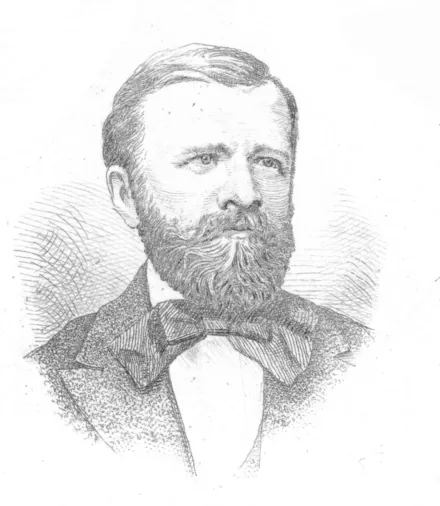
Image: Wikimedia Commons

This page collects some of the earliest long Zaza texts that we have. They were written down in the 1850s by the Russian scholar Peter Ivanovich Lerch while he was working with Kurdish prisoners of war in Russia during the Crimean War.
The texts matter because they preserve older Zaza language, local names, family memories, feud stories, and folk tales from the Palu, Hani/Hyêni, Sivan, Nyêrib, and Karbegan region. They are useful both for general readers interested in Zaza history and for researchers studying how Zaza has changed over time.
One of Lerch’s most important Zaza consultants was Hasan, whom Lerch writes as Hassan. According to Lerch, Hassan came from Kasan/Kassau/Kaschan near Palu and belonged to the Sivan tribe. He knew both Zaza and Kurmanji and remembered songs, tales, and local feud narratives.
There are two main ways to read these texts. The Text view shows the Zaza text beside the translation selected by the site language. The Interlinear view is intended for linguistic work and shows Lerch’s historical transcription, IPA, modern Zaza spelling, morpheme analysis, and source-scan line images.
Feud stories
Texts collected by Lerch that preserve local conflict memory around Nyêrib, Hyêni/Hani, Sivan/Servi, and Karbegan.
The Feud Between Nyêrib and Hyêni
A feud story beginning with a man from Nyêrib killing a servant on Hyêni land, escalating into a battle between Xalef Agha and Daqma Bey, and ending through mediation by the Ziriki aghas.
The Feud Between Nyêrib and Sivan
A feud story that begins when a young man from Nyêrib steals in Horsig and is killed, then moves through threats, battle, and eventual reconciliation between Xalef Agha and Avdulah Agha.
Ali Agha, Son of Kelhan
A feud story about Ali Agha, son of Kelhan, his power around Karbegan, the trap set by Qasım Agha and Weşinli Hasan Agha, the killing of Ali Agha's family, and the burial of the dead.
Folk tales
Folk tales that are not presented as historical records, but are important for early Zaza narrative language and folklore motifs.
The Story of the Go'in Bird
A girl dreams of the brother killed by her stepmother; after conflict within the family, she asks God to turn her into the go'in bird.
The Miller and the Fox
A tale in which a fox is caught stealing the miller's flour and tries to save his life by promising to marry the miller to the daughter of the Pasha of Egypt. The story turns on trickery, invented identity, and negotiation.
The Tale of the Three Brothers
A tale about three brothers named Hasanek, Qasım, and Şaban, their encounter with a dev, Hasanek's trick of changing the letters, and the eventual killing of the dev.
Other texts
The conversation with Hassan, Bacmeister sample sentences, and selected passages from Lerch's discussion of the Zaza material.
Conversation with Hassan
A short question-and-answer conversation with Hassan about the villages of the Sivan tribe, Kasan/Kassau/Kaschan, gardens, highland life, and feuds he had witnessed.
Bacmeister Sample Sentences
Forty-four short Kurmanji and Zaza sample sentences that Lerch produced from Bacmeister's language examples. The Zaza column preserves Lerch's historical phonetic transcription.
Peter Lerch's Zaza-Related Sections
A multilingual selection from Lerch's own book sections about the Zaza texts, his sources, his transcription system, and his glossary.